Tel:+86 133 6177 9811
Fax:+86 0797 5712751
Email:sale02@miningshakingtable.com
Address:Guzhang Industrial Park,Shicheng County,Ganzhou City,Jiangxi Province,342700,China.
The formation of tungsten deposits is related to magmatic activity or metamorphism. Magmatic hydrothermal processes, metamorphic hydrothermal processes, and sedimentary remodeling are the main mineralization processes. Tungsten is produced in 34 countries and regions worldwide, including China, Canada, Bolivia, Australia, the United States, and Portugal.
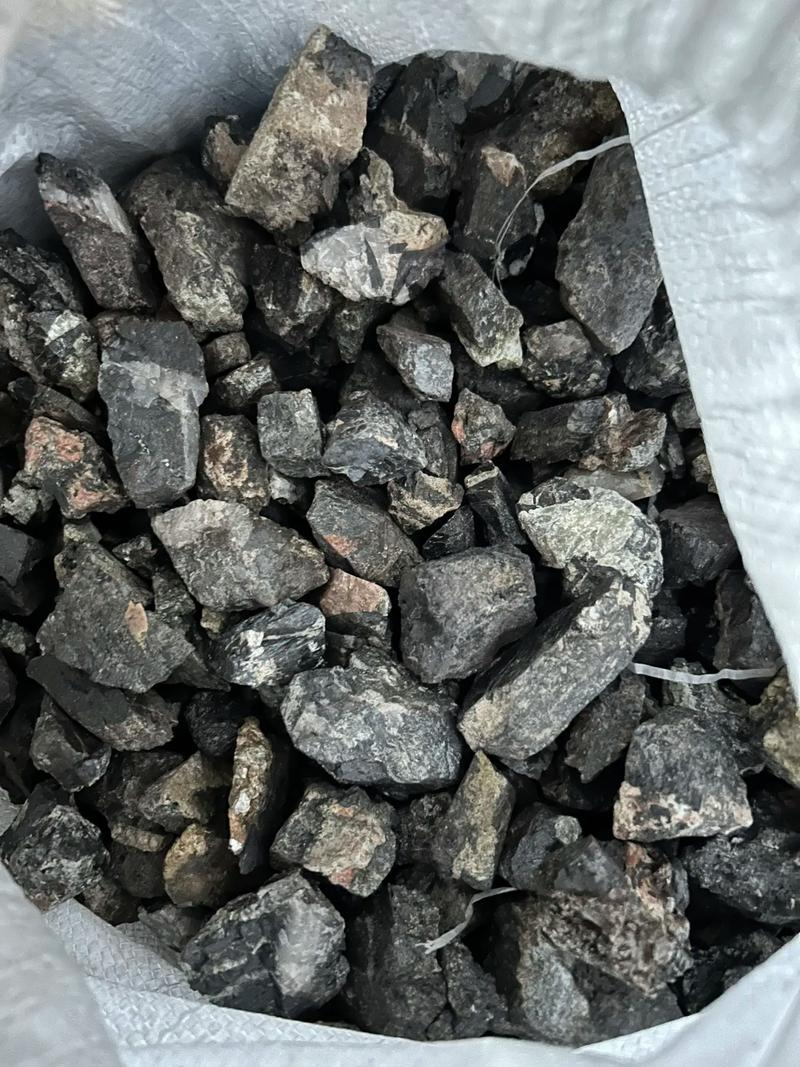
Tungsten deposits are mainly classified into four types: quartz vein-type tungsten deposits, skarn-type scheelite deposits, disseminated veinlet tungsten deposits, stratabound and stratiform tungsten deposits, etc.
Quartz vein-type tungsten deposits are currently the main type of tungsten deposits mined in my country, accounting for over 90% of the extracted ore. The ore bodies occur in vein-like, banded, or network-like forms within granite bodies and metamorphic rocks. The thickness of the veins can range from a few millimeters to several meters, the depth from tens to hundreds of meters, and the length from a few meters to hundreds, or even thousands of meters.
Quartz veinlet disseminated tungsten deposits are a type of tungsten deposit occurring in granite porphyry, granodiorite porphyry, quartz porphyry, and their surrounding host rocks. The ore bodies consist of densely distributed tungsten-bearing quartz veinlets, interwoven and intersecting to form regular or irregular networks, sometimes interspersed with larger quartz veins. The ore commonly contains scheelite, and most also contain wolframite, often accompanied by molybdenite, etc. The ore grade is medium to low, and the deposits are mostly large, medium, or extra-large in scale.