Tel:+86 133 6177 9811
Fax:+86 0797 5712751
Email:sale02@miningshakingtable.com
Address:Guzhang Industrial Park,Shicheng County,Ganzhou City,Jiangxi Province,342700,China.
Quartz sand purification is a systematic engineering project that requires multi-stage combined processing based on the characteristics of the raw ore and the requirements of the target product to effectively remove impurities such as iron, aluminum, and titanium, thereby improving purity.
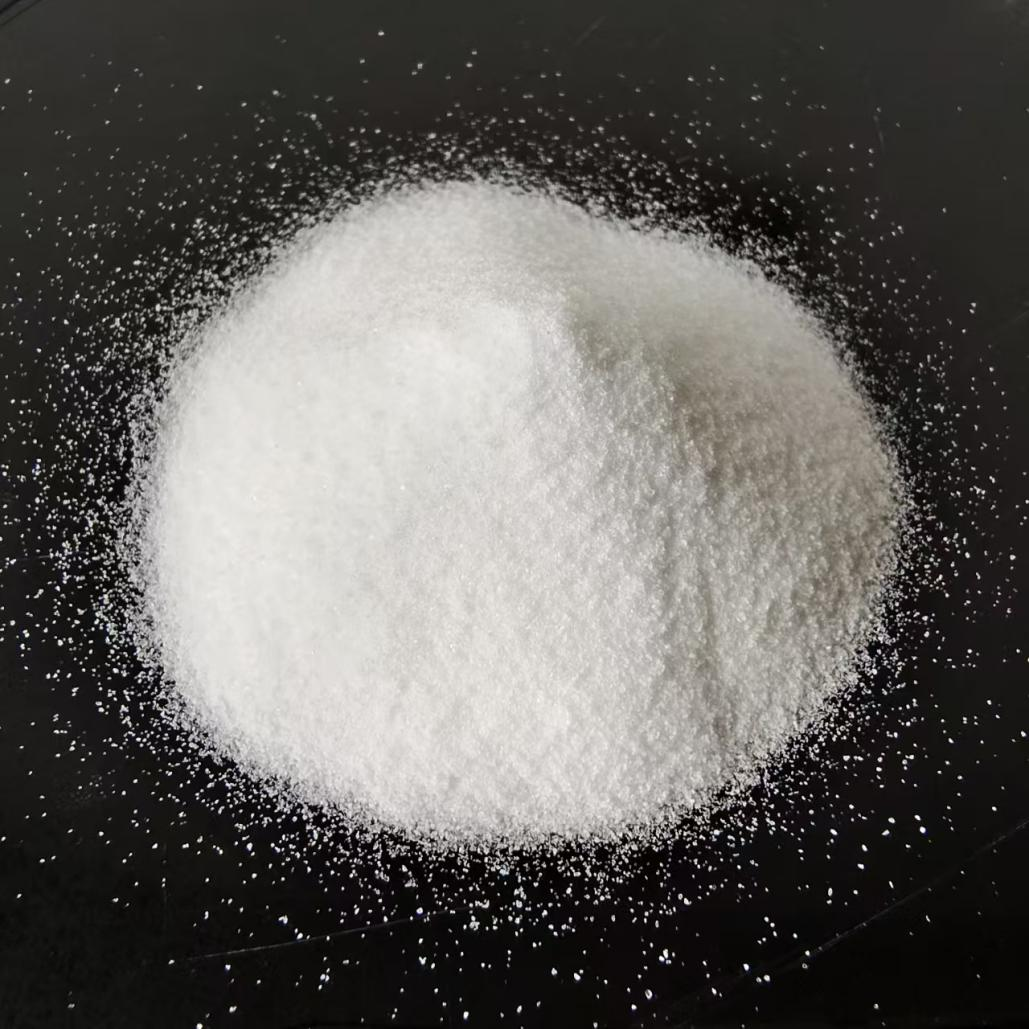
The purification process is generally divided into two main stages: physical and chemical. Physical purification, as pretreatment, mainly includes: crushing and grinding to achieve mineral liberation; washing, classification, and desliming to remove clay impurities; scrubbing to remove thin films of iron from the particle surface; magnetic separation using weak and strong magnetic equipment to remove magnetic iron minerals; and flotation to separate non-magnetic impurities such as feldspar and mica. Color sorting and electrostatic separation can be used as auxiliary means to improve sorting accuracy.
When physical methods are insufficient to meet high purity requirements, chemical purification is necessary. Acid leaching is the most commonly used method, using mixed acids to dissolve metallic impurities, significantly reducing the iron and titanium content. High-temperature chlorination can achieve deep purification, causing metallic impurities to volatilize in the form of chlorides, and is suitable for producing ultra-high purity quartz sand.
In addition, microbial iron removal technology is environmentally friendly but has a long cycle; laser and pulsed discharge technologies are still in the early stages of exploration. In actual production, multiple processes such as "crushing-washing-magnetic separation-flotation-acid leaching-high-temperature chlorination" are often used in combination to ensure that the final product meets the stringent requirements for high-purity quartz sand in high-end fields such as photovoltaics and semiconductors.