Tel:+86 133 6177 9811
Fax:+86 0797 5712751
Email:sale02@miningshakingtable.com
Address:Guzhang Industrial Park,Shicheng County,Ganzhou City,Jiangxi Province,342700,China.
Coastal sand deposits are an important mineral resource, mainly found in coastal zones, rich in precious minerals such as ilmenite, zircon, rutile, and monazite. Due to the high density and stable chemical properties of these minerals, they are enriched and form industrial ore bodies after long-term separation by ocean waves. The key to coastal sand beneficiation lies in fully utilizing the differences in physical properties between minerals to achieve efficient separation.
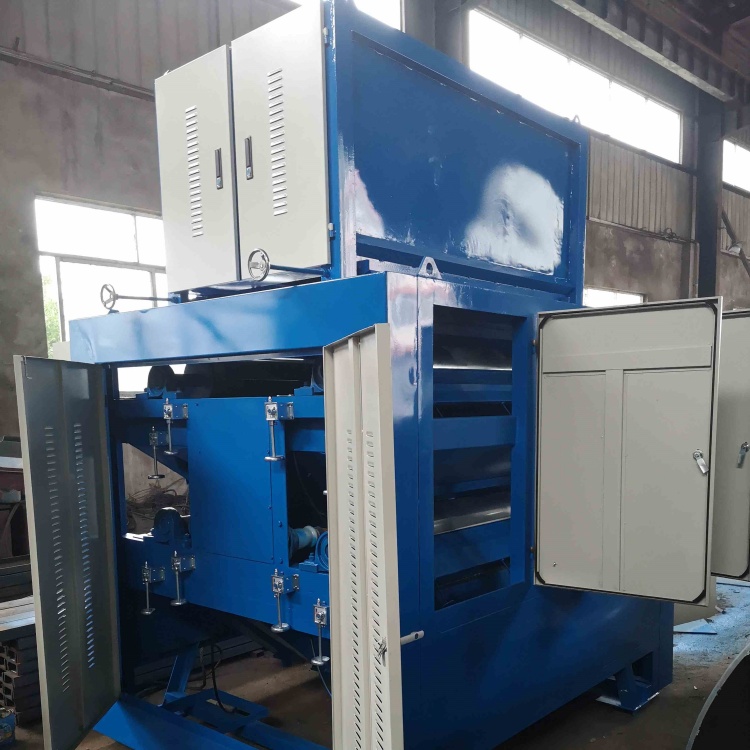
A typical beneficiation process usually consists of three stages. First, in the pretreatment stage, the raw ore sand is screened to remove coarse impurities such as gravel and shells, and then subjected to gravity separation roughing using a spiral sluice or cone concentrator. Since the specific gravity of target minerals such as ilmenite and zircon is generally above 4.0, while the specific gravity of gangue minerals such as quartz is only around 2.65, gravity separation can quickly remove a large amount of tailings, enriching the target minerals by 10-20 times, obtaining a coarse concentrate with a heavy mineral content of 60%-80%.
The second stage is fine separation. After dehydration and drying, the rough concentrate enters the magnetic and electrostatic separation stages. Utilizing the weak magnetic properties of ilmenite, a high-intensity magnetic separator is used to preferentially separate the ilmenite concentrate. The non-magnetic portion mainly consists of non-conductive minerals such as zircon and rutile. High-voltage electrostatic separation then separates rutile from zircon using their difference in conductivity—rutile, being a conductor, becomes a conductor in the electric field, while zircon remains a non-conductor.
The third stage is fine refining, employing combined processes for different minerals. For example, to remove the small amount of monazite associated with zircon, magnetic separation can be used to separate monazite due to its weak magnetic properties. If high-quality rutile concentrate is produced, an acid washing process is added to remove the surface iron film. The final product is dehydrated, packaged, and shipped as industrial raw material.
The entire process adopts the classic "gravity separation tailings removal - magnetic and electrostatic refining" route, which has advantages such as low energy consumption, no reagent pollution, and strong adaptability. In recent years, with the development of new technologies such as photoelectric sorting and intelligent sensing, coastal sand beneficiation is moving towards a more precise, efficient and automated direction, providing important support for the security of strategic key metal resources.