Tel:+86 133 6177 9811
Fax:+86 0797 5712751
Email:sale02@miningshakingtable.com
Address:Guzhang Industrial Park,Shicheng County,Ganzhou City,Jiangxi Province,342700,China.
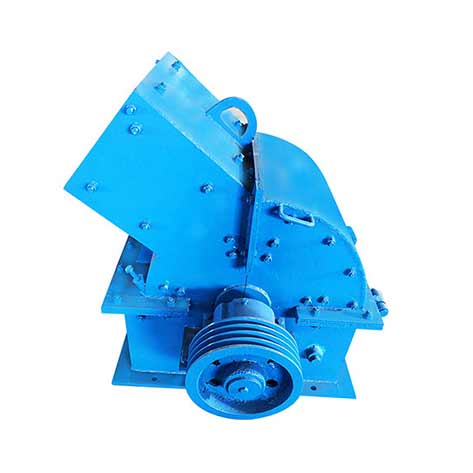
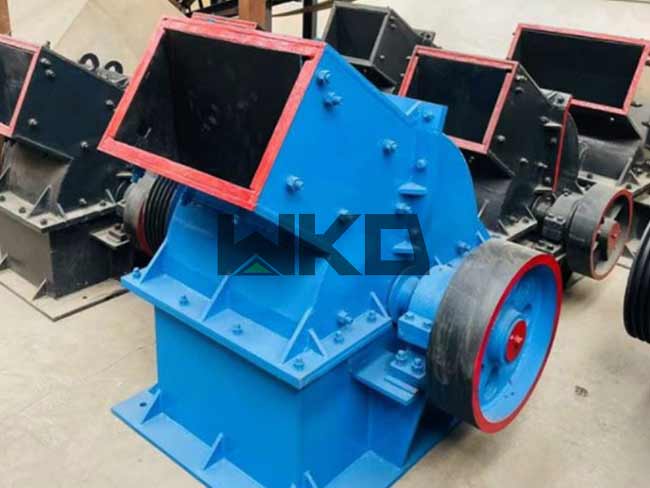
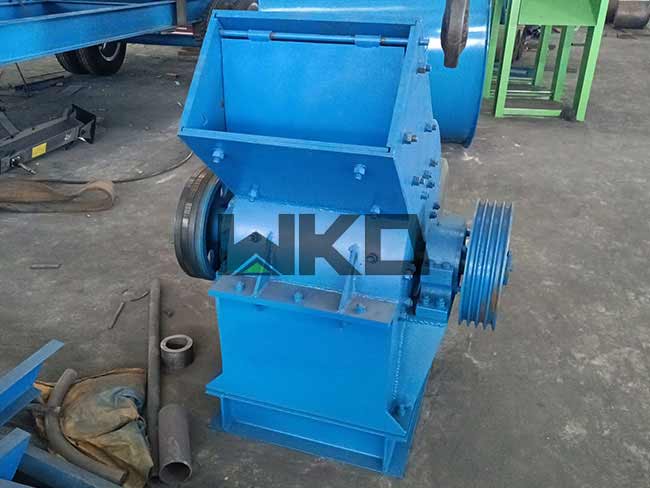
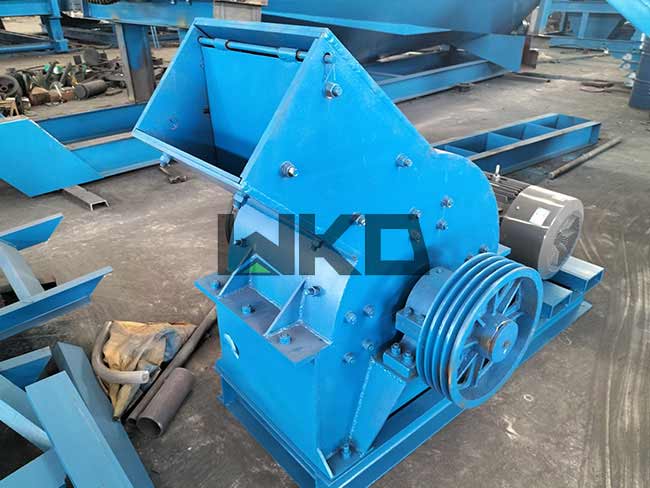
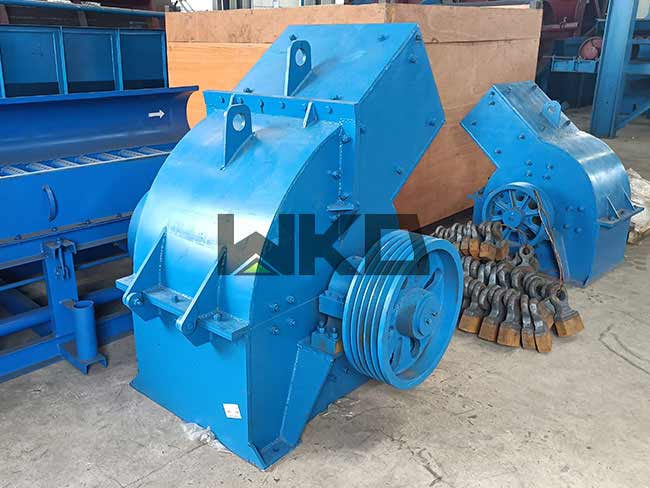
The hammer crusher (hammer mill) crushes materials through the impact of high-speed rotating hammers against the material
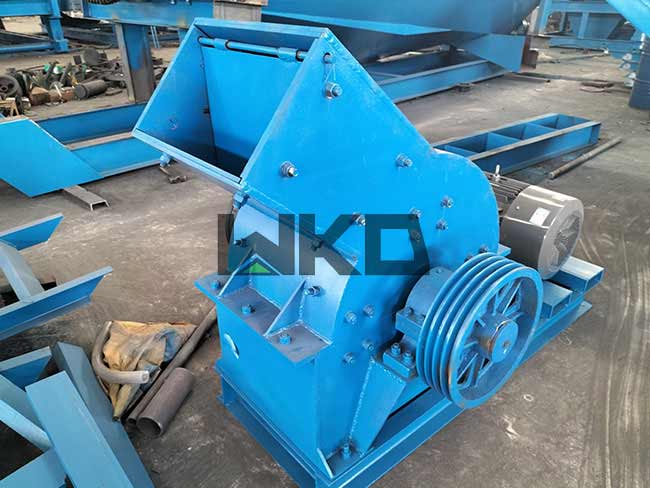
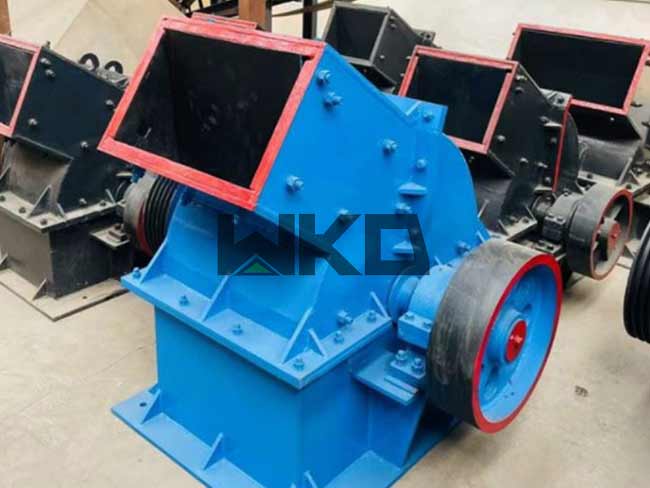
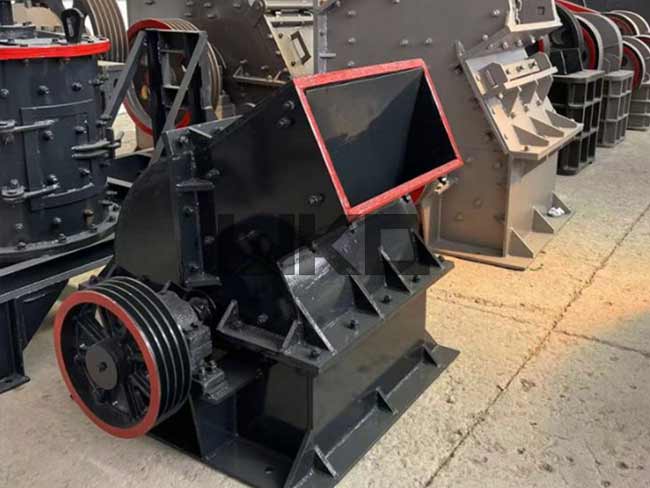
The hammer crusher (hammer mill) crushes materials through the impact of high-speed rotating hammers against the material. It features a simple structure, high crushing ratio, and high production efficiency, and can be used for both dry and wet crushing. The hammer crusher is suitable for crushing various medium-hard materials with low abrasiveness. The compressive strength of the material should not exceed 100 MPa, and the moisture content should be less than 15%. Materials that can be crushed include coal, salt, chalk, gypsum, bricks, limestone, etc. It is also used for crushing fibrous, elastic, and tough materials such as wood scraps, paper, or asbestos cement waste to recover asbestos fibers. Additionally, the hammer crusher can be used not only in crushing production lines and sand-making production lines but also in mineral processing lines to replace cone crushers.
Suitable for fine crushing of medium-hard and brittle materials in industries such as mining, cement, coal, metallurgy, building materials, highways, and fuel chemicals. The equipment allows users to adjust the grate gap to change the discharge particle size, meeting different customer requirements.
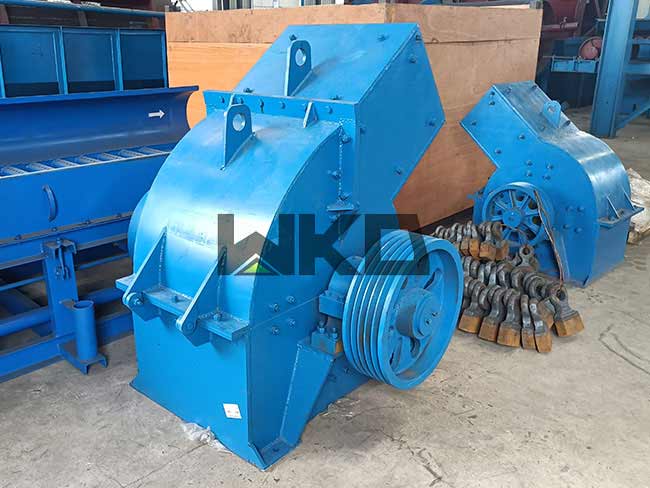
The main working component of the hammer crusher is the rotor equipped with hammers (also called hammer heads). The rotor consists of the main shaft, disc, pin shaft, and hammers.
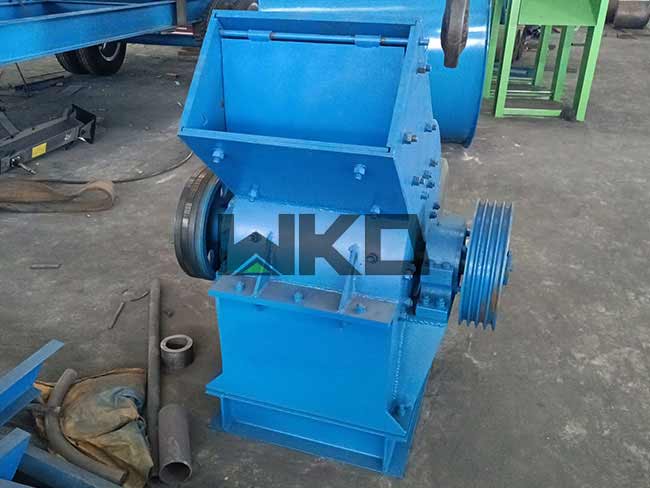
The motor drives the rotor to rotate at high speed inside the crushing chamber. Materials are fed into the machine from the top feed inlet and are crushed by the impact, shear, and grinding force of the high-speed hammers. At the lower part of the rotor, a sieve plate is installed. Particles smaller than the sieve openings are discharged through the sieve plate, while larger particles are retained and continue to be struck and ground by the hammers until they are discharged through the sieve plate.
Model | Speed(r/min) | Feed Size(mm) | Discharge Size(mm) | Capacity(t/h) | Weight(t) | Power(kw) | Dimensions(mm) |
PC-400×300 | 1450 | ≤100 | 10 | 3-10 | 0.8 | 11 | 812×9827×85 |
PC-500×350 | 1250 | ≤100 | 15 | 5-15 | 1.2 | 18.5 | 1200×1114×1114 |
PC-600×400 | 1000 | ≤220 | 15 | 5-25 | 1.5 | 22 | 1055×1022×1122 |
PC-800×600 | 980 | ≤350 | 15 | 10-50 | 3.1 | 55 | 1360×1330×1020 |
PC-800×800 | 980 | ≤350 | 15 | 10-60 | 3.5 | 75 | 1440×1740×1101 |
PC-1000×800 | 1000 | ≤400 | 13 | 20-75 | 7.9 | 115 | 3514×2230×1515 |